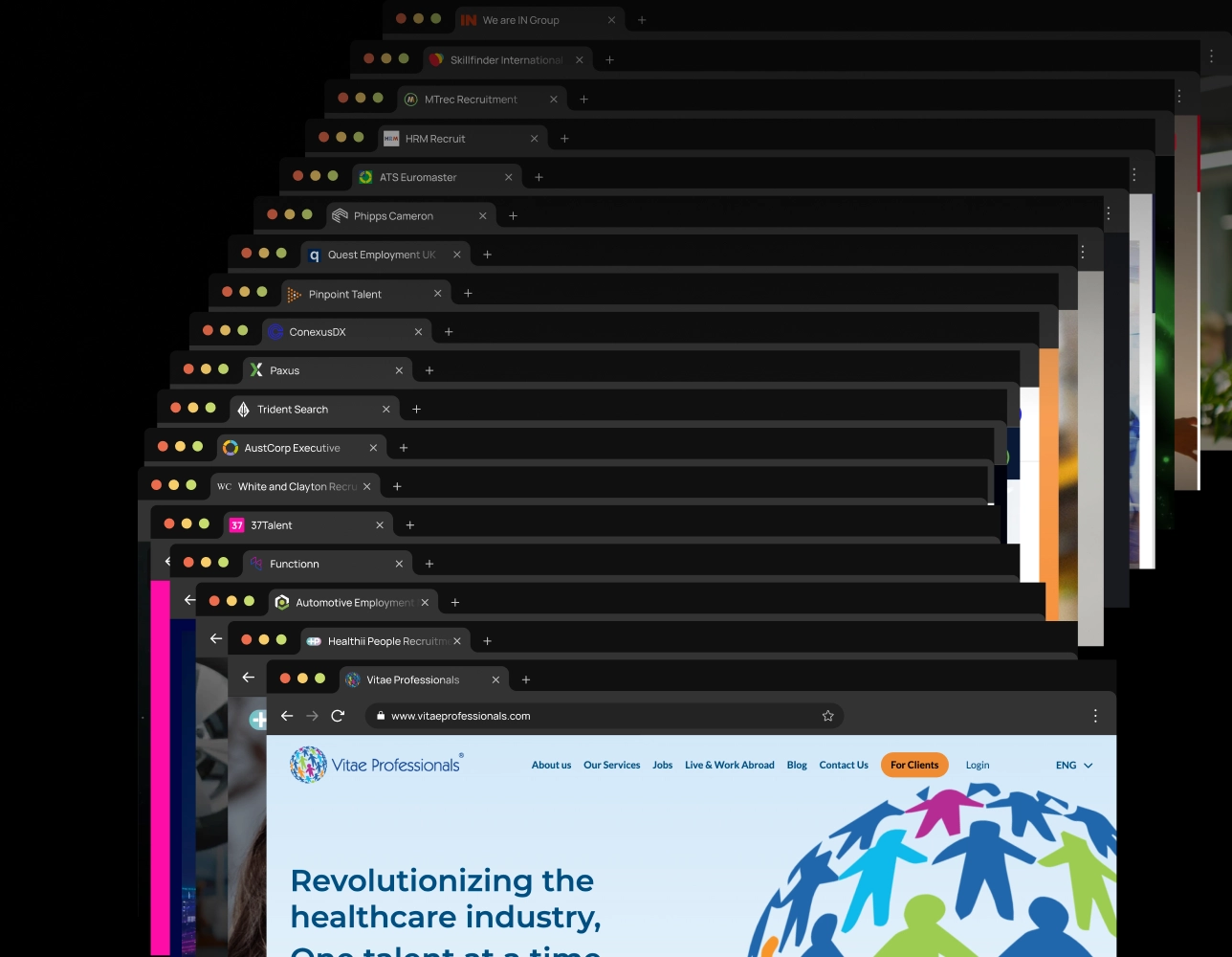
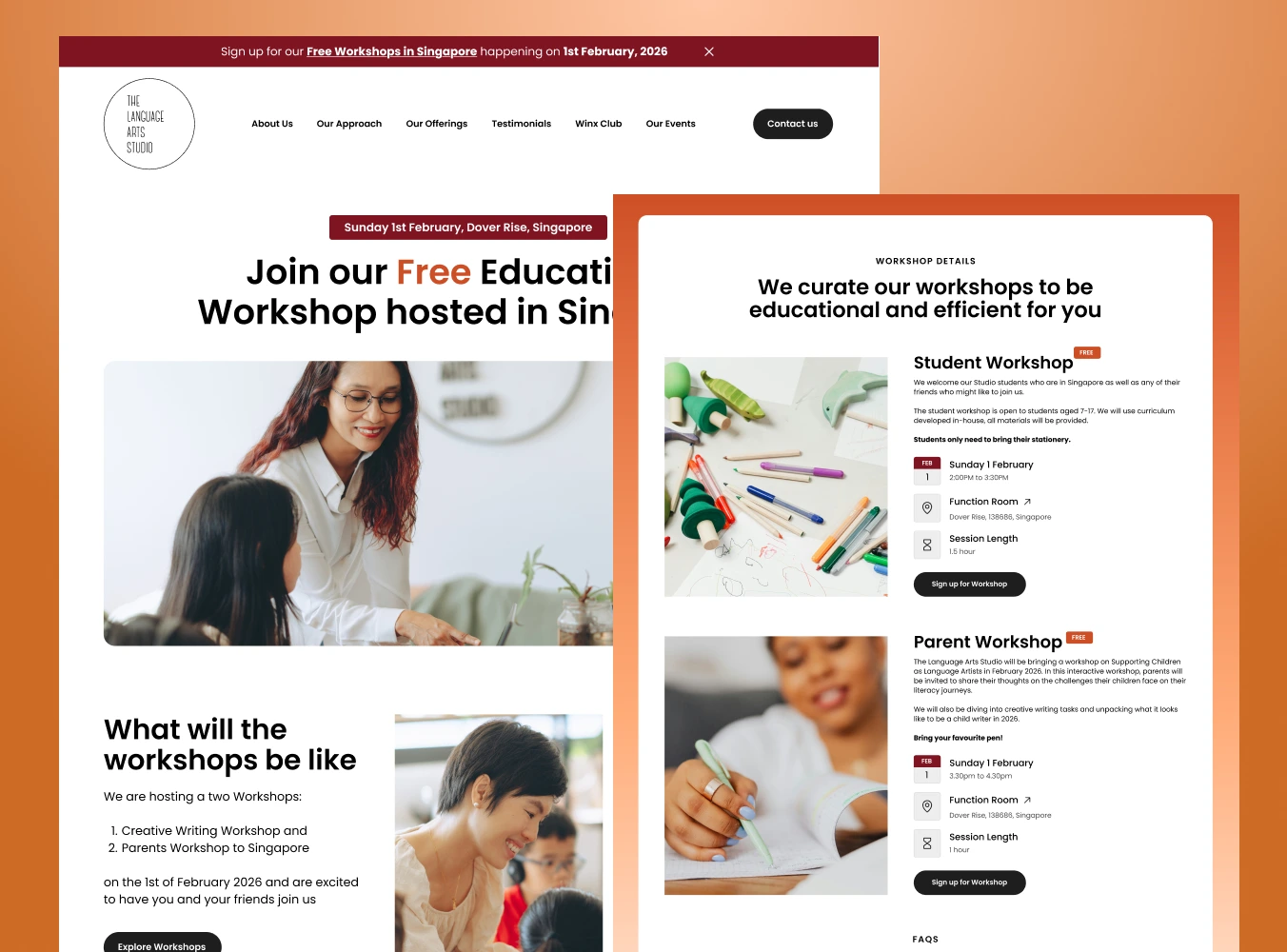
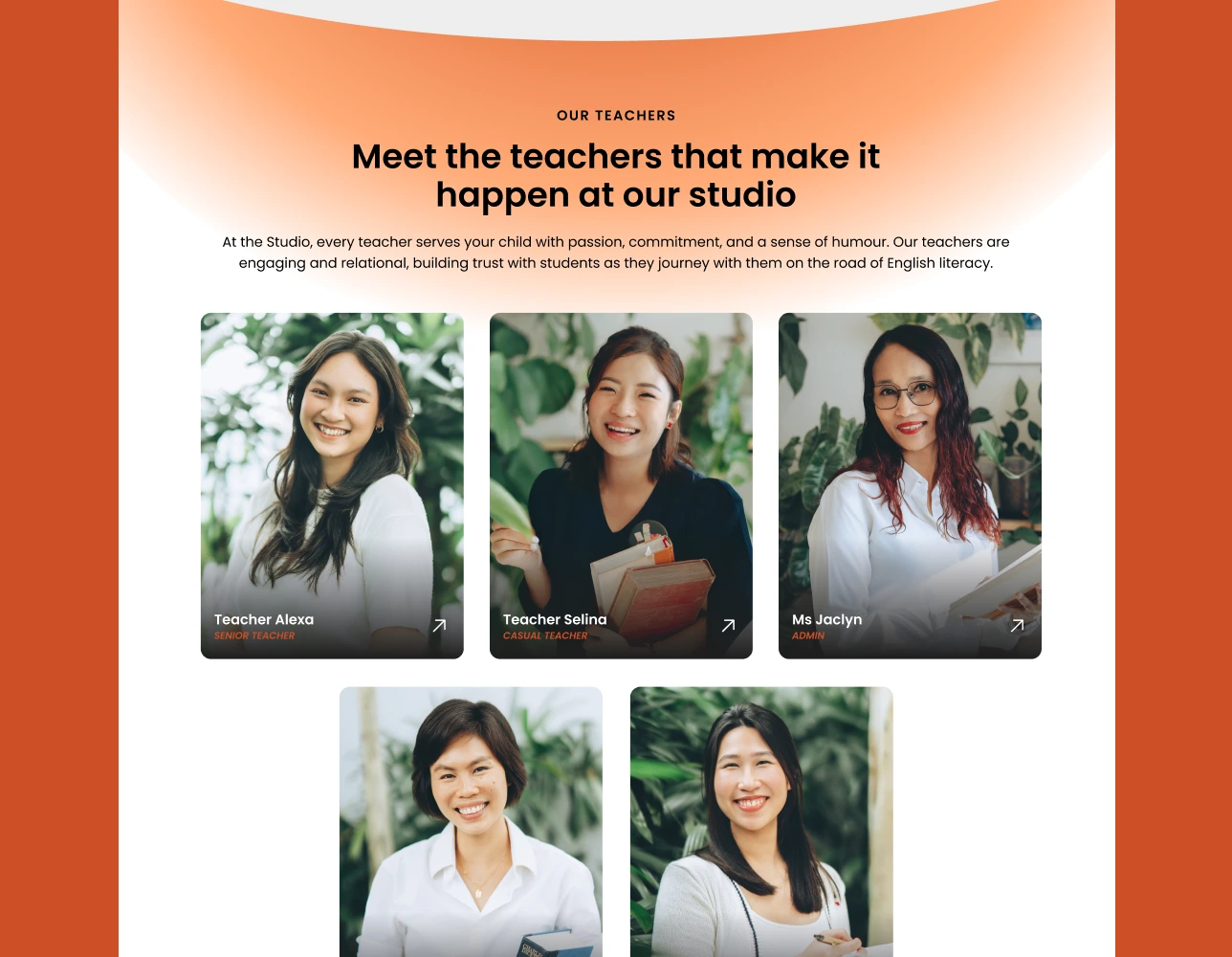
I noticed a recurring gap across recruitment clients: their website, socials, and brand collateral often looked like they belonged to different companies. Some had no social presence at all. Others looked close enough to their competitors that there was nothing to set them apart. On top of that, newer recruitment agencies were often priced out of proper branding altogether, needing something affordable that still gave them a real identity.
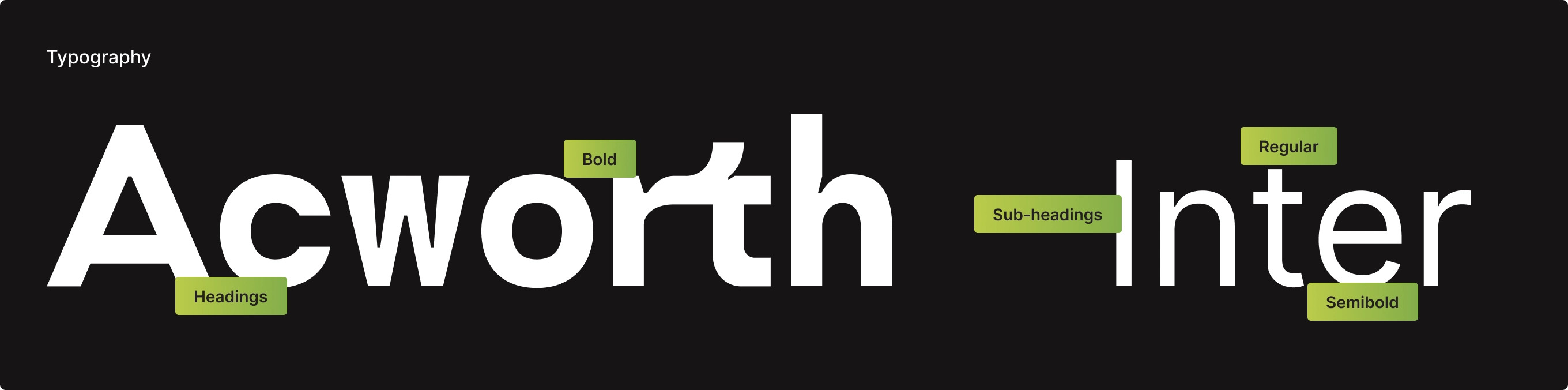
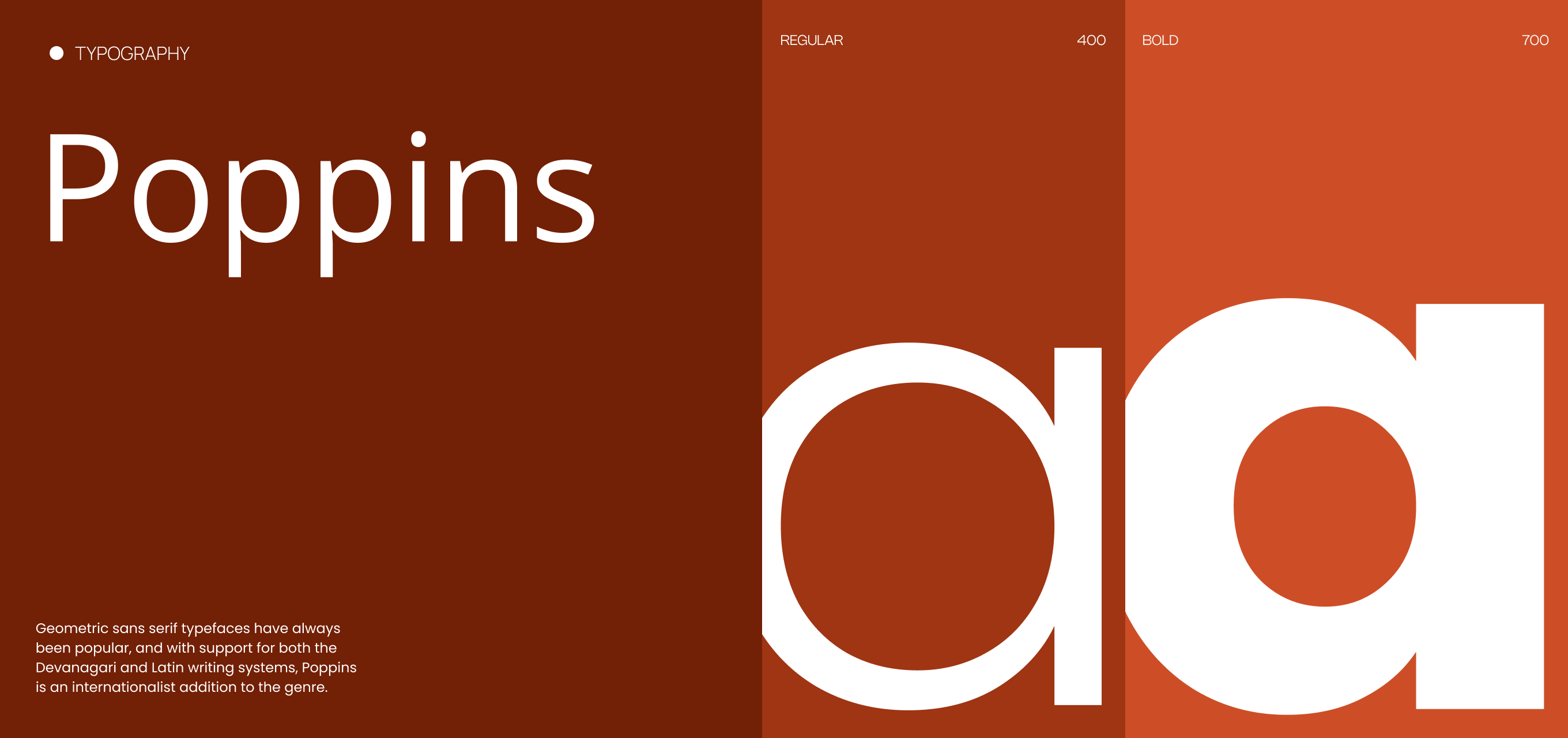
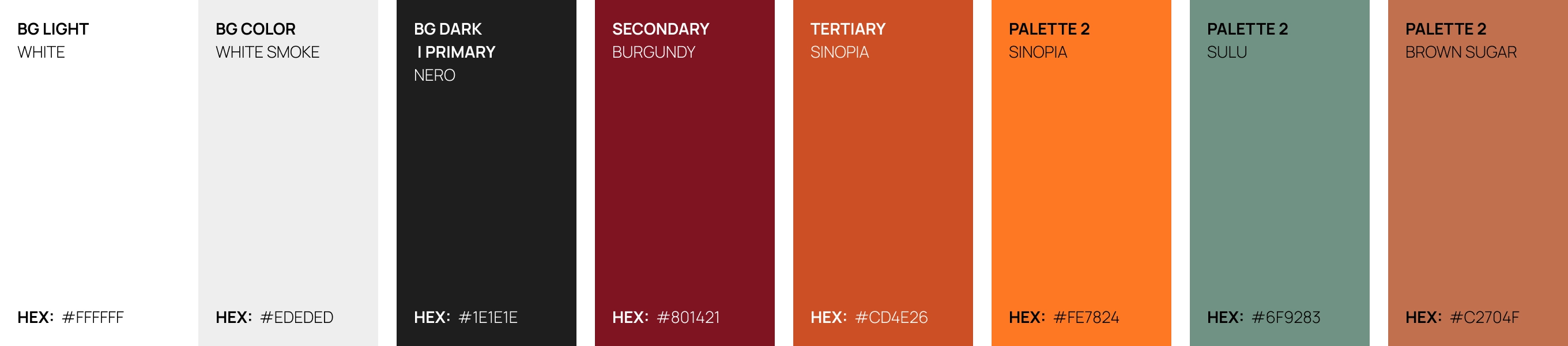
To solve for both problems, and to prove the offering out before taking it to enterprise clients, I developed two brand service tiers as a testing ground. The first, a Foundation package, gave newer agencies a logo, colour palette, typography, and a one-page brand sheet, an affordable way to walk away with a real identity instead of nothing. The second, a full brand system, was built for agencies wanting positioning that would hold up over time: multi-page sites, brand collateral, and defined messaging, mission, vision, and approach, designed to stay consistent as the business grew.
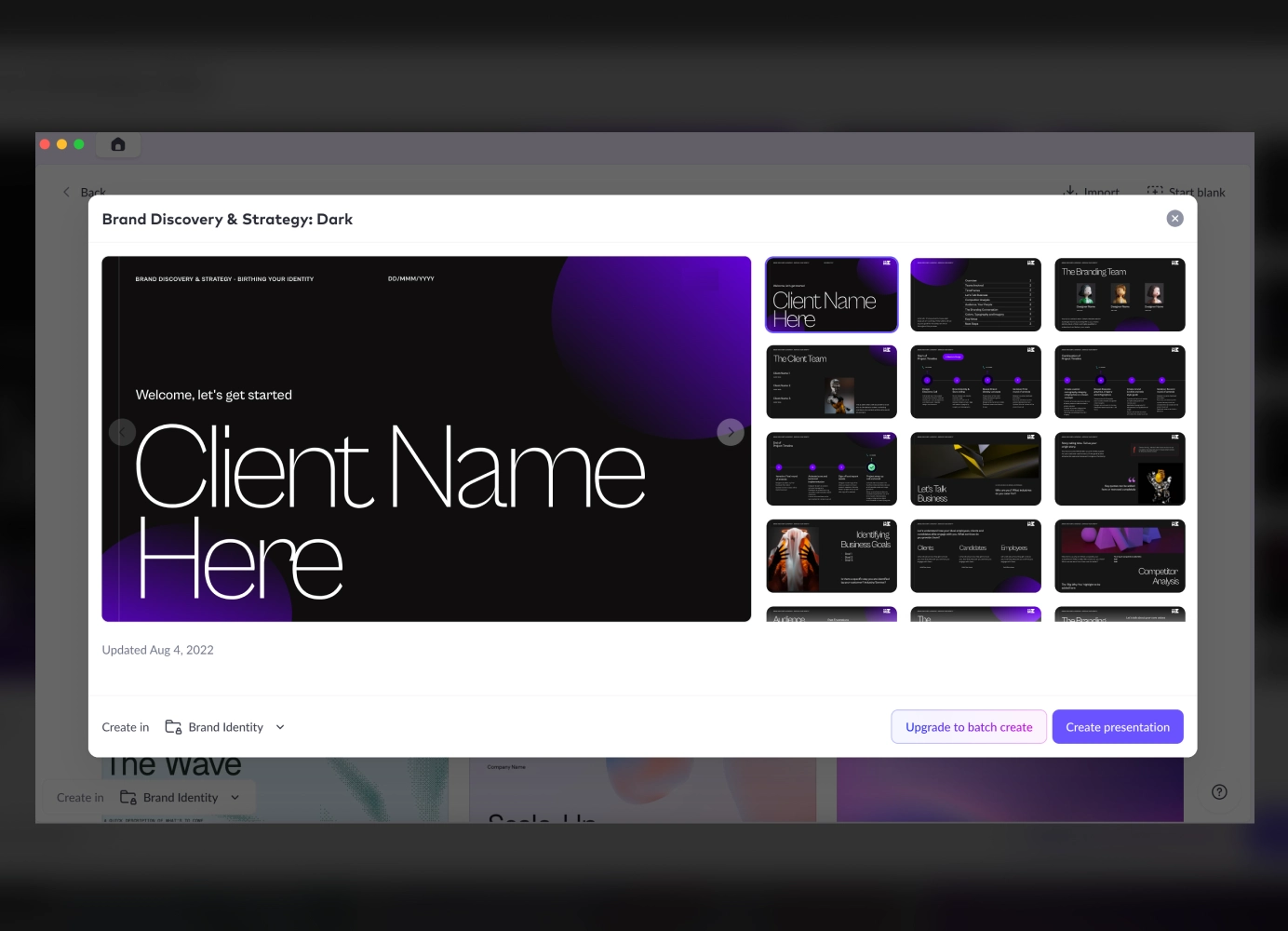
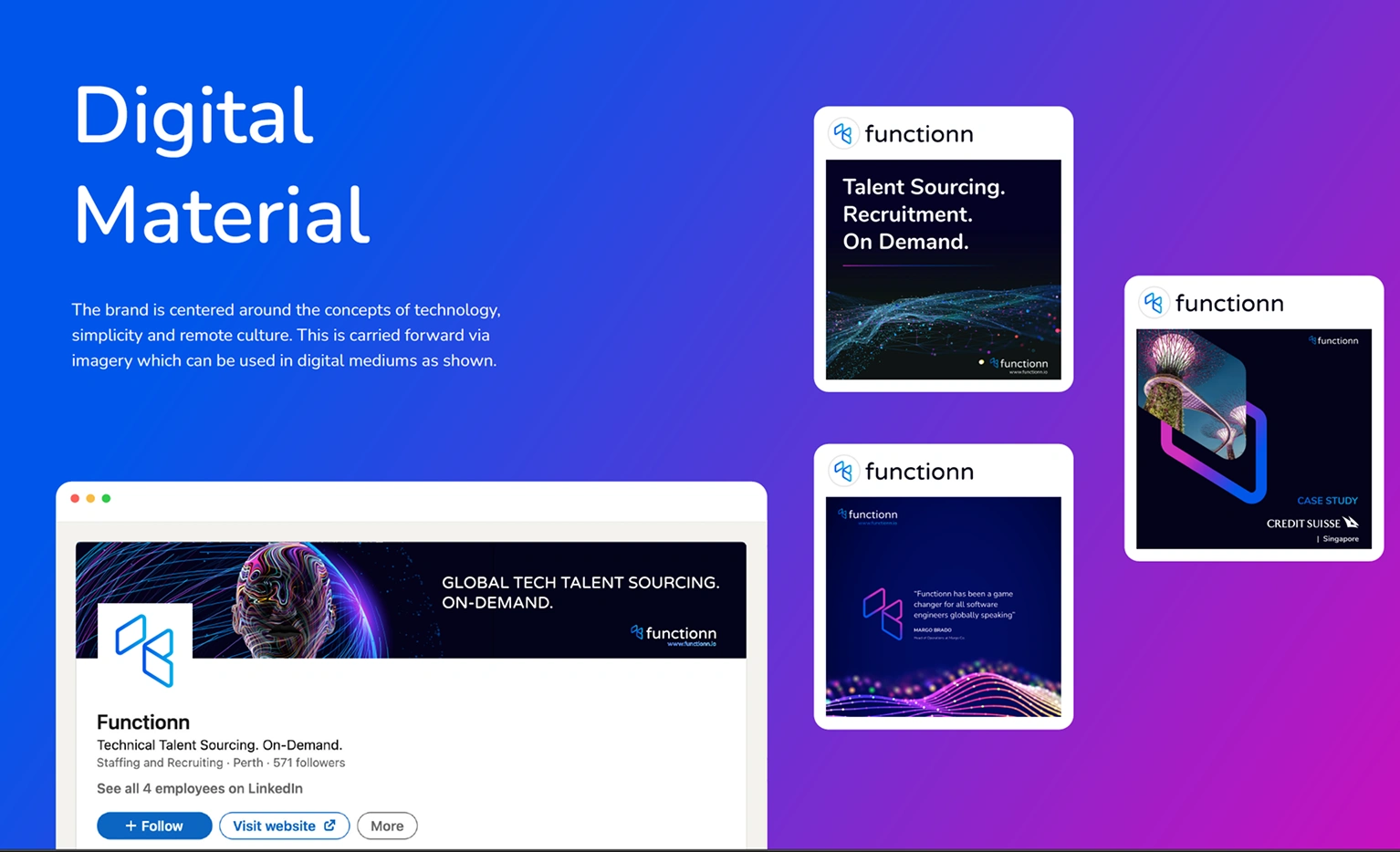
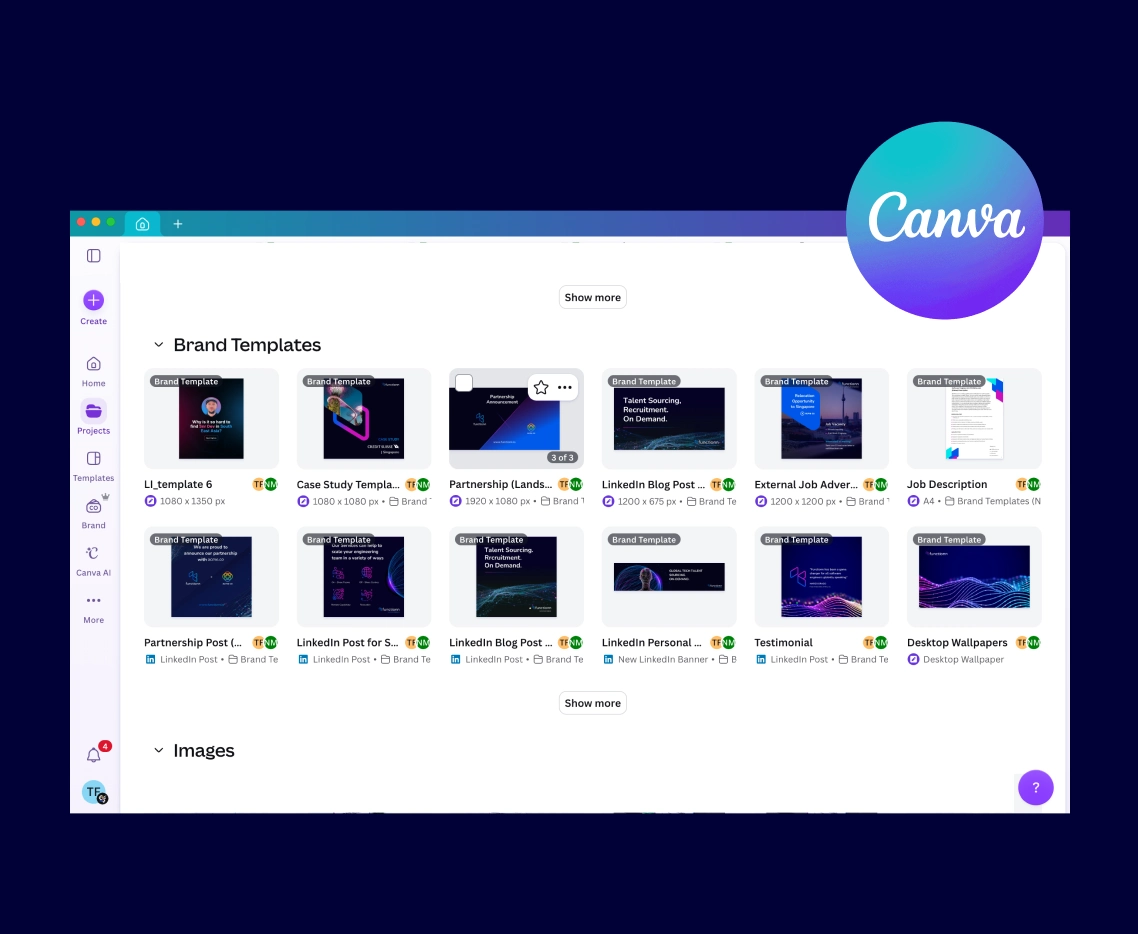
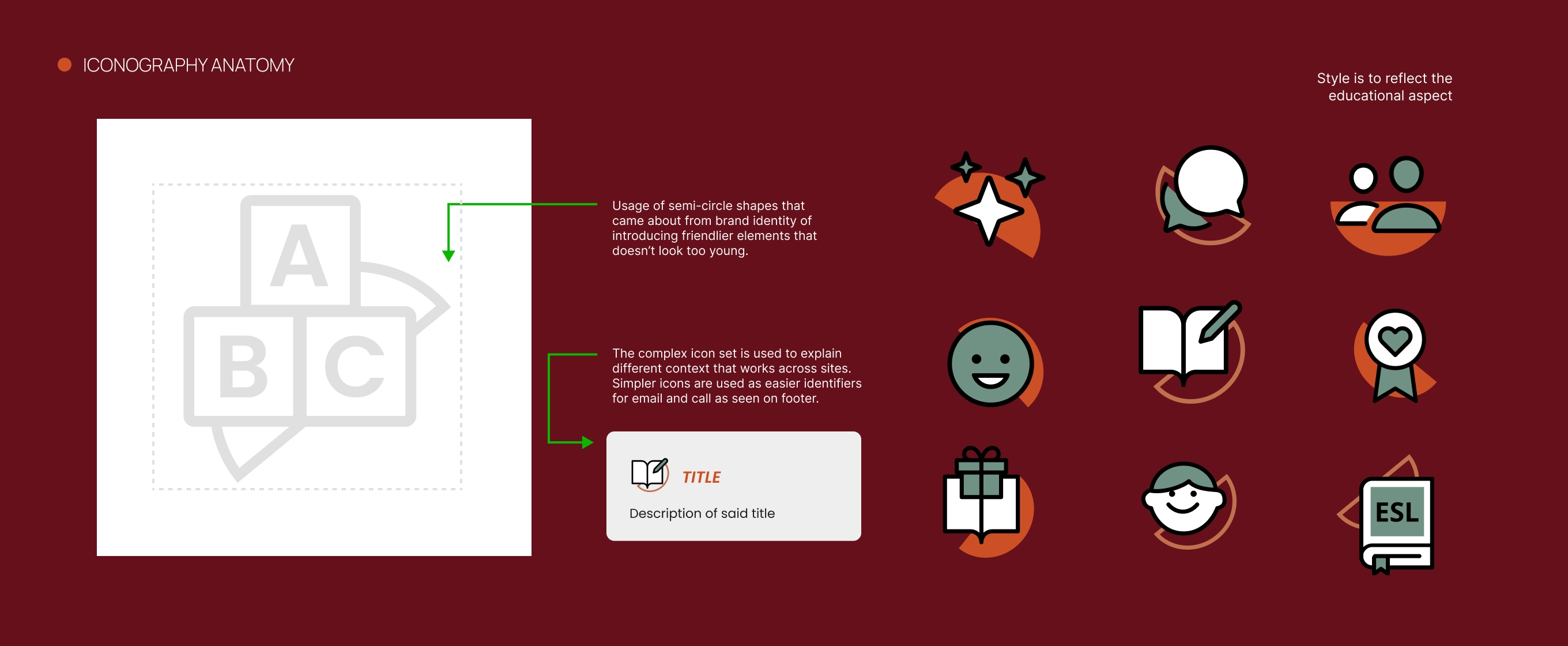
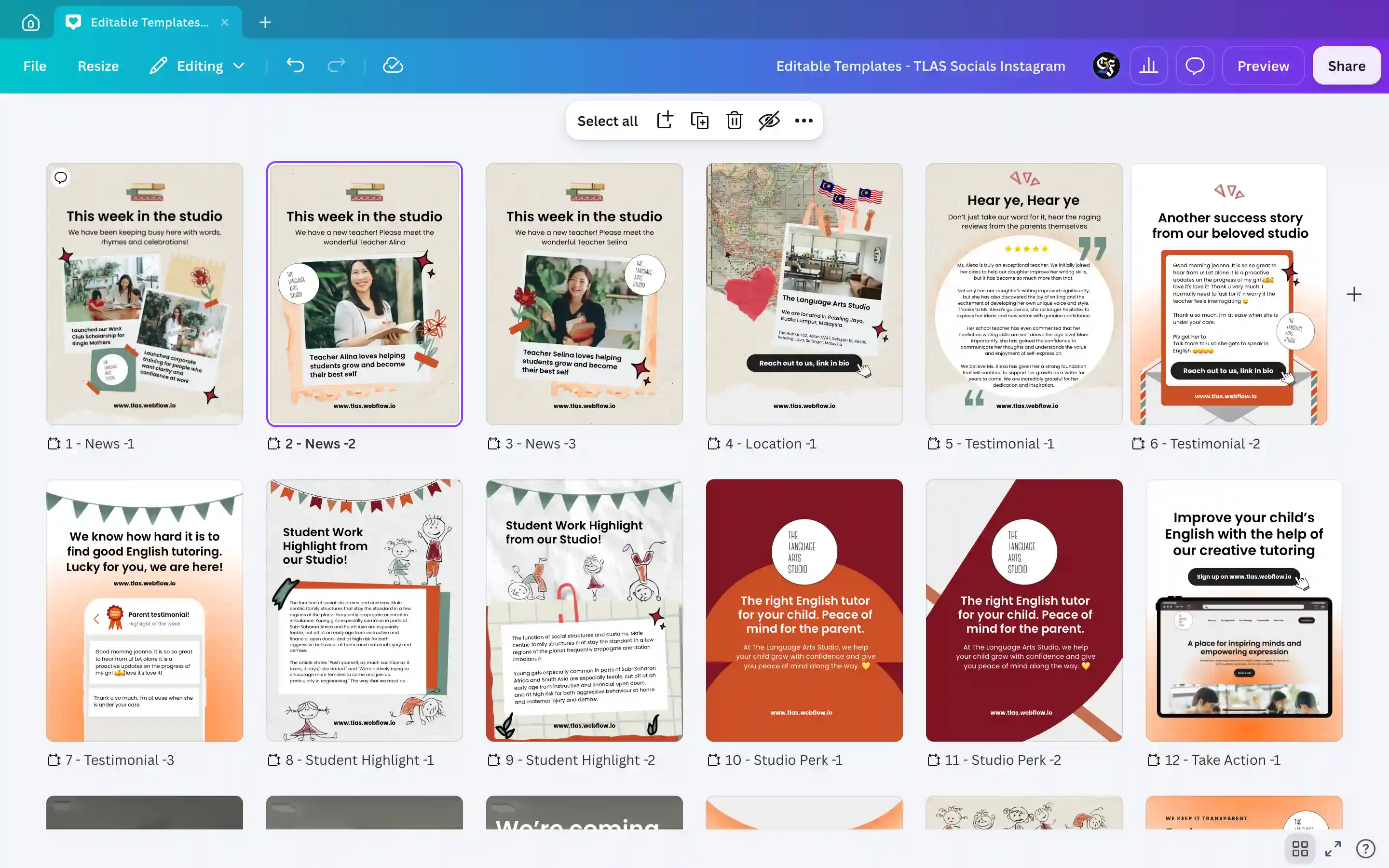
This second tier also included brand workshops with clients and internal stakeholders, translating strategic insights into practical systems. Canva was new to the team at the time, I pitched it as part of the brand service offering and helped the team learn it, building out brand templates and brand guides so clients could self-manage their own social media and job posts going forward. Because the templates were locked to the brand system, clients stayed consistent by design, rather than drifting the way ad hoc posts often do. It became such an easy system to maintain that most clients stuck with it long after handoff.
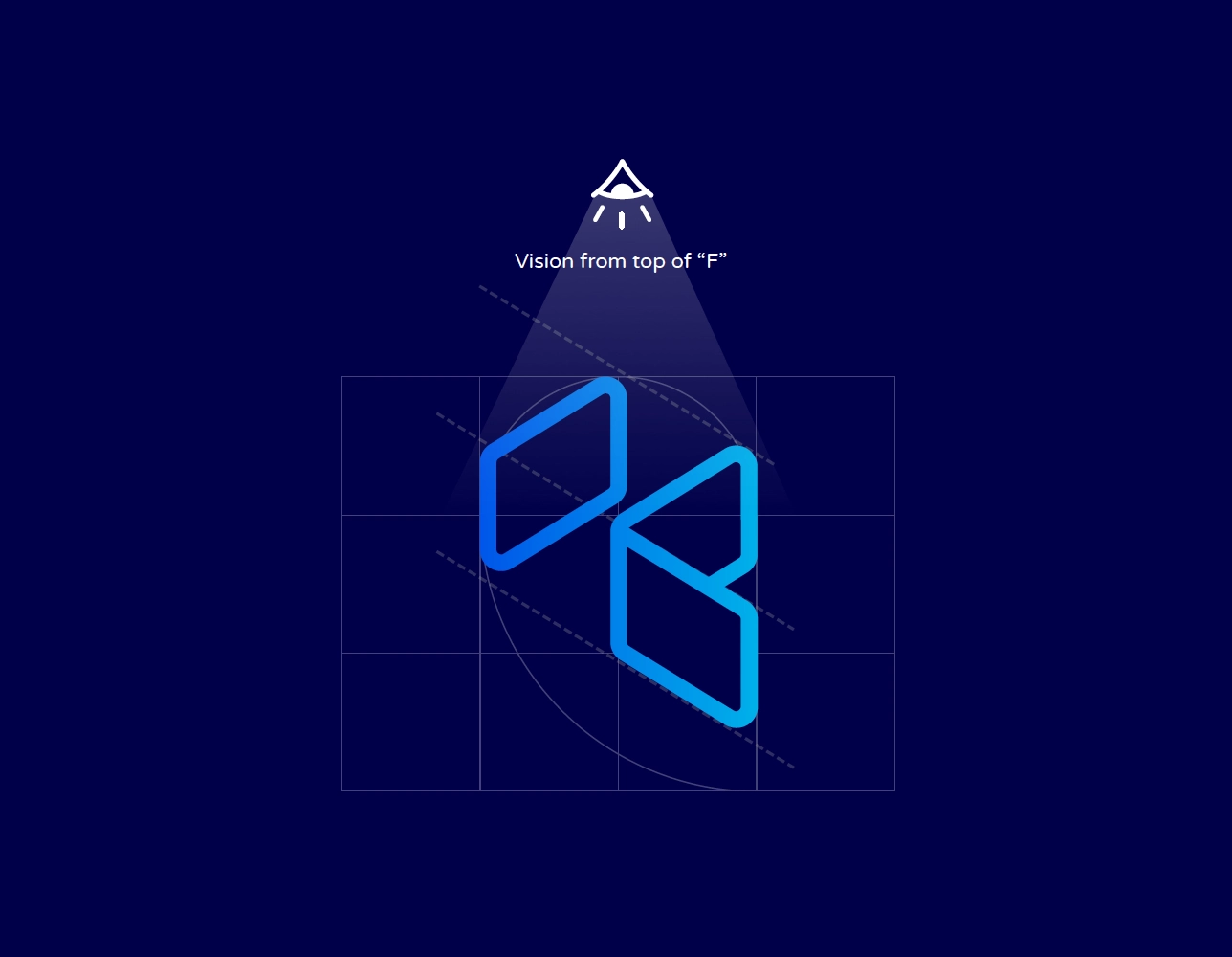
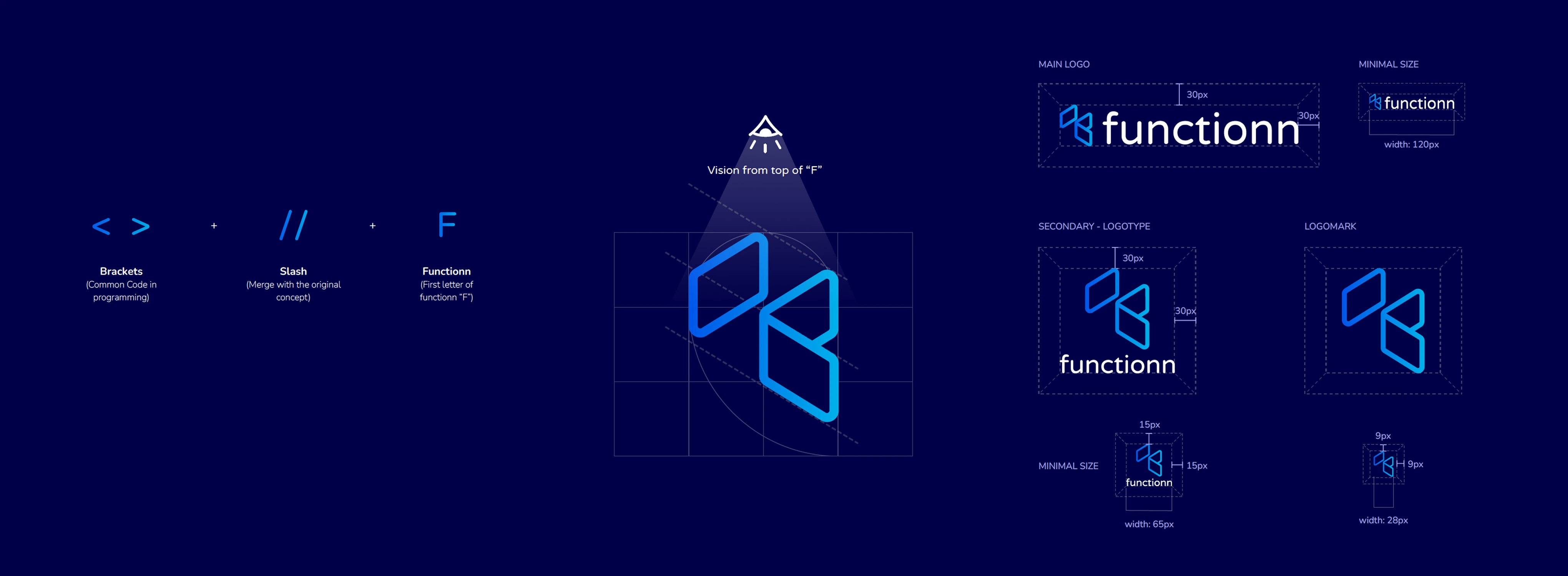
Functionn was the first client through this offering. I led the project end to end, building the brand framework the team followed, the timeline and milestones for each stage, what got presented to the client, and how.
The design team produced three mood-board concepts, which I presented to the client. He chose the concept that felt the most mature and professional, over the others which read as a little too young, aligning with how he wanted to maintain the business's vision, mission, and values.
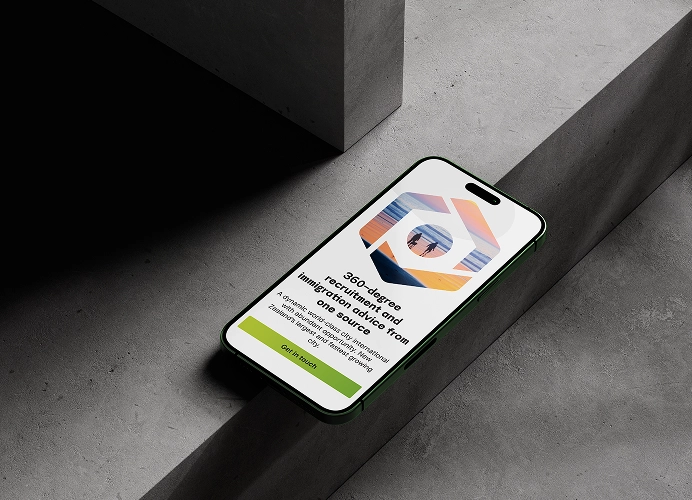
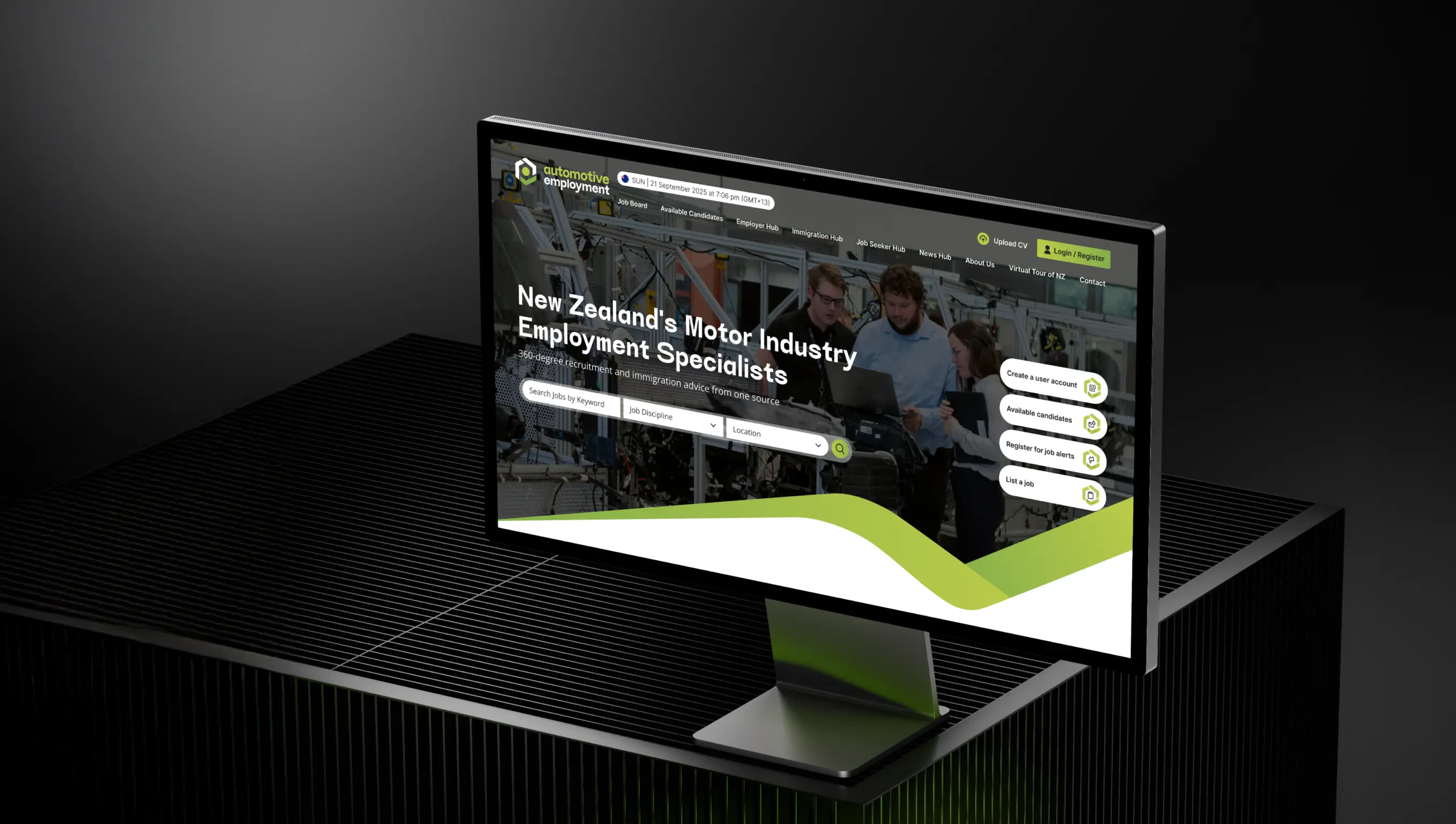
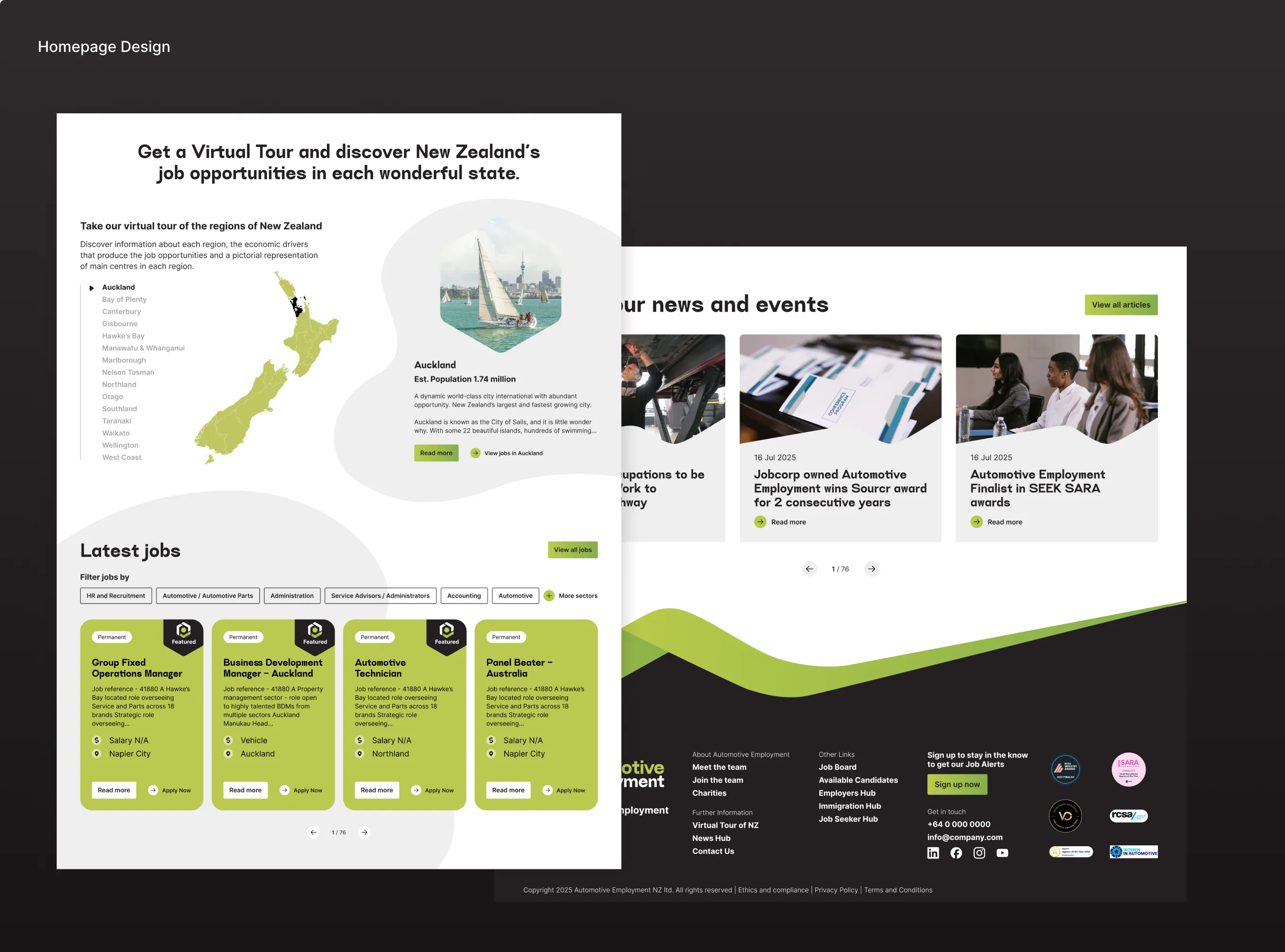
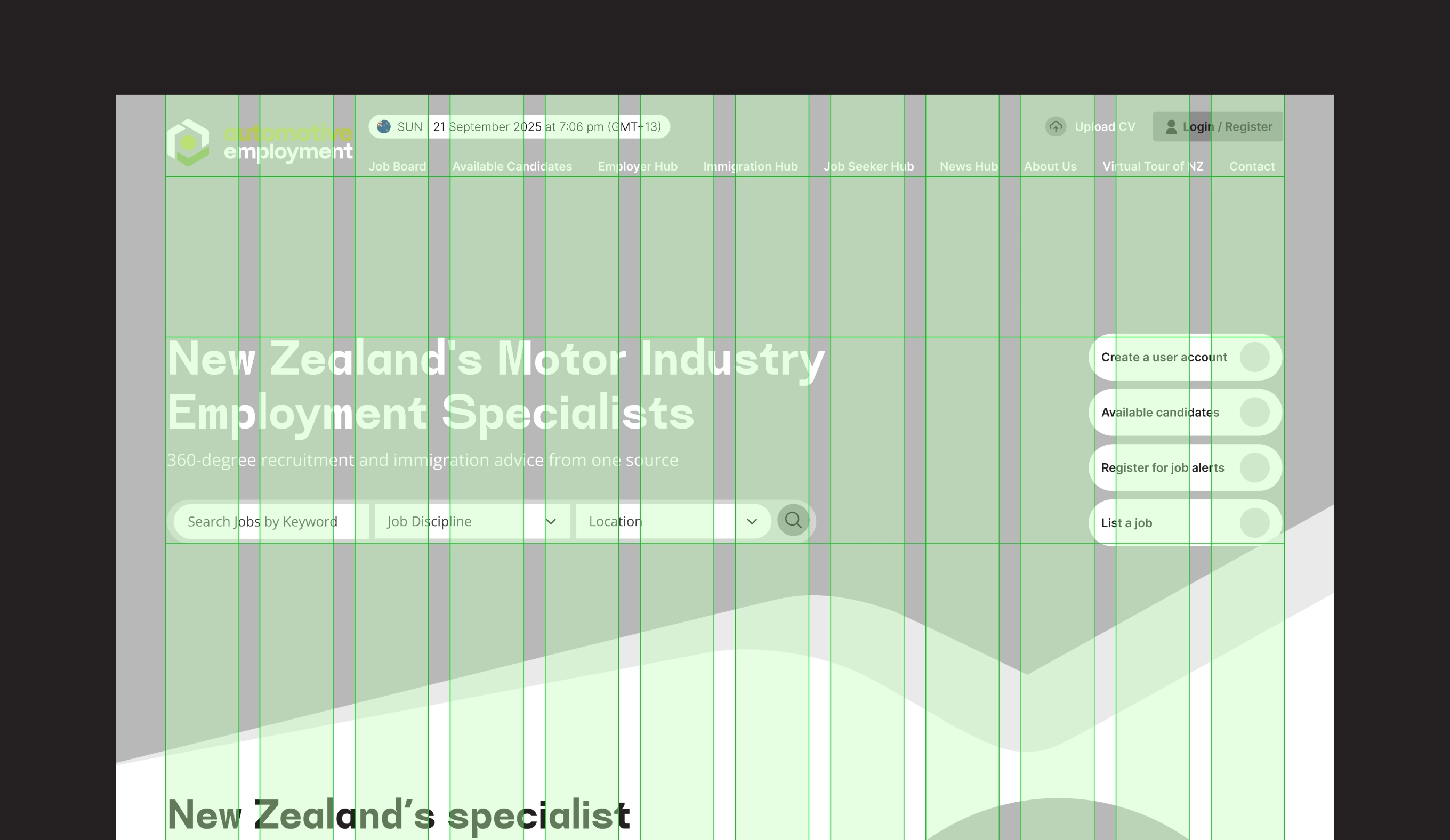
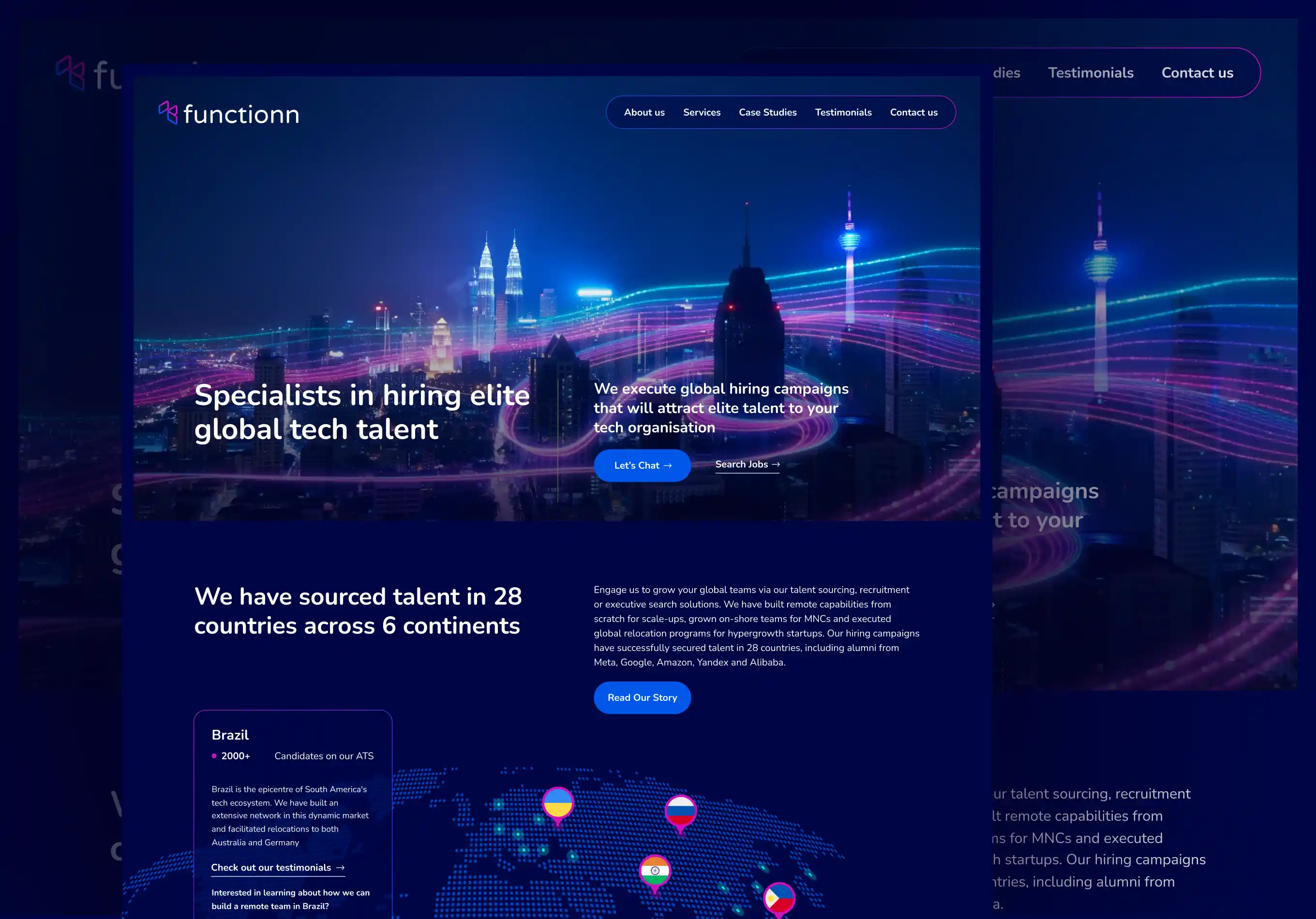
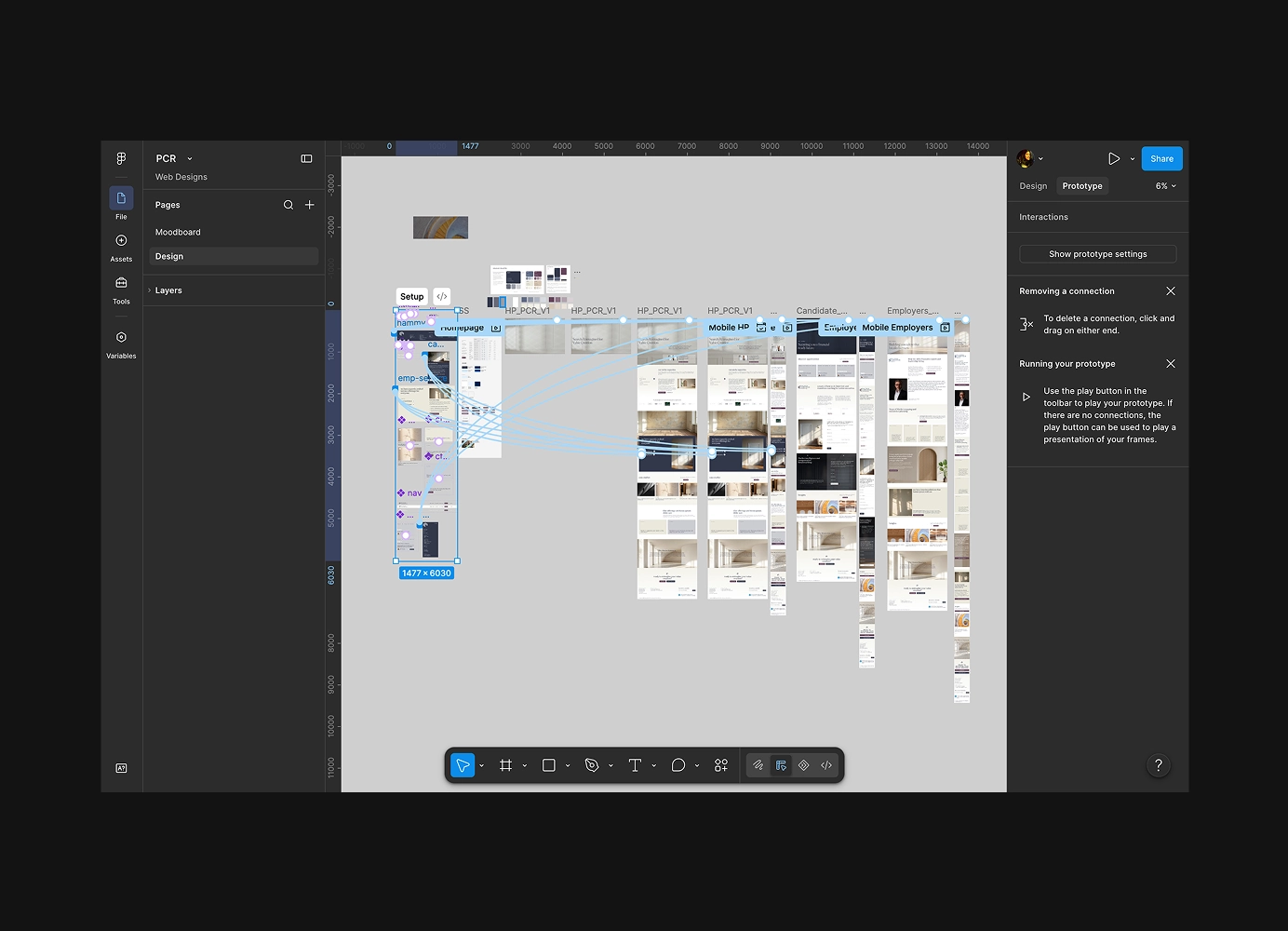
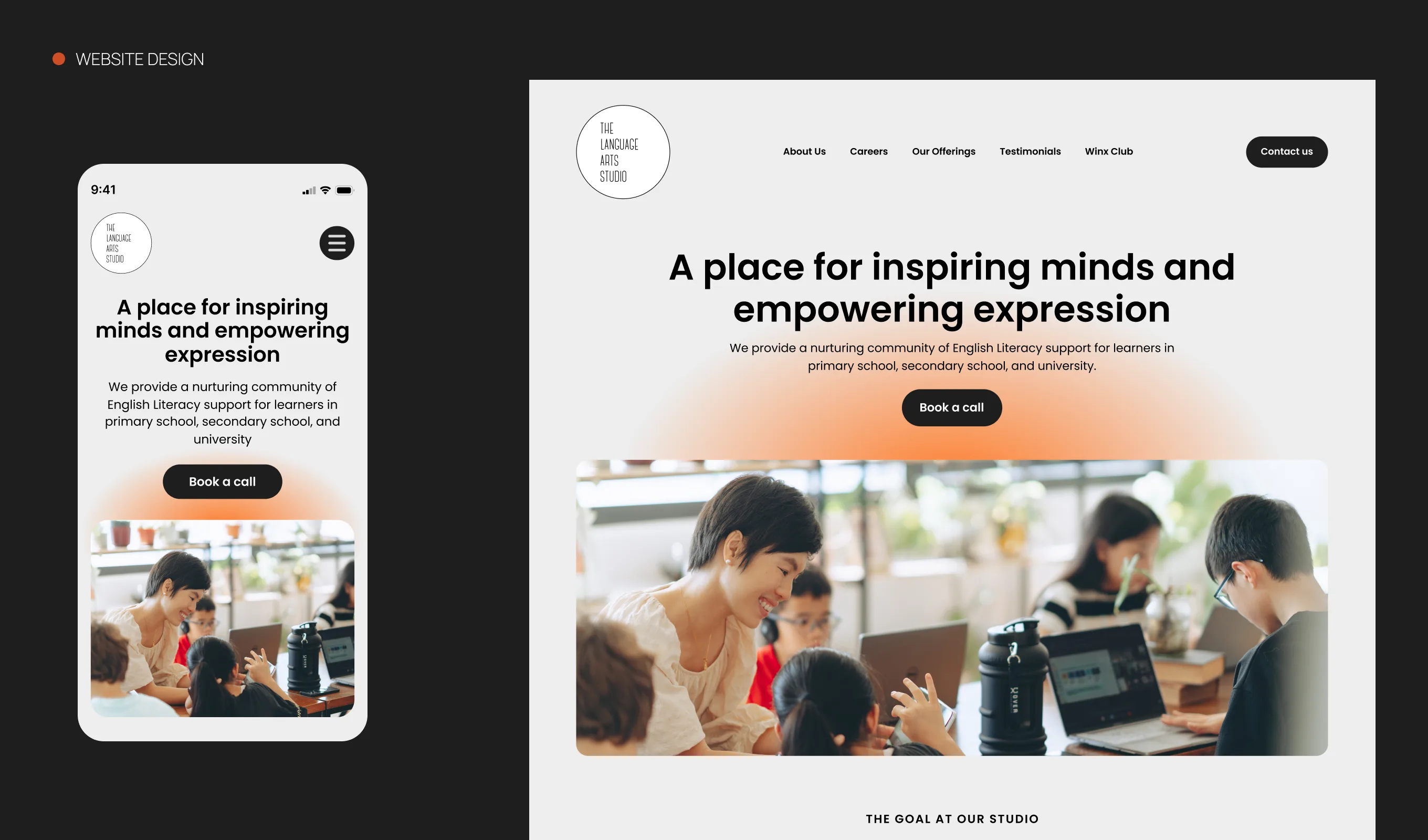
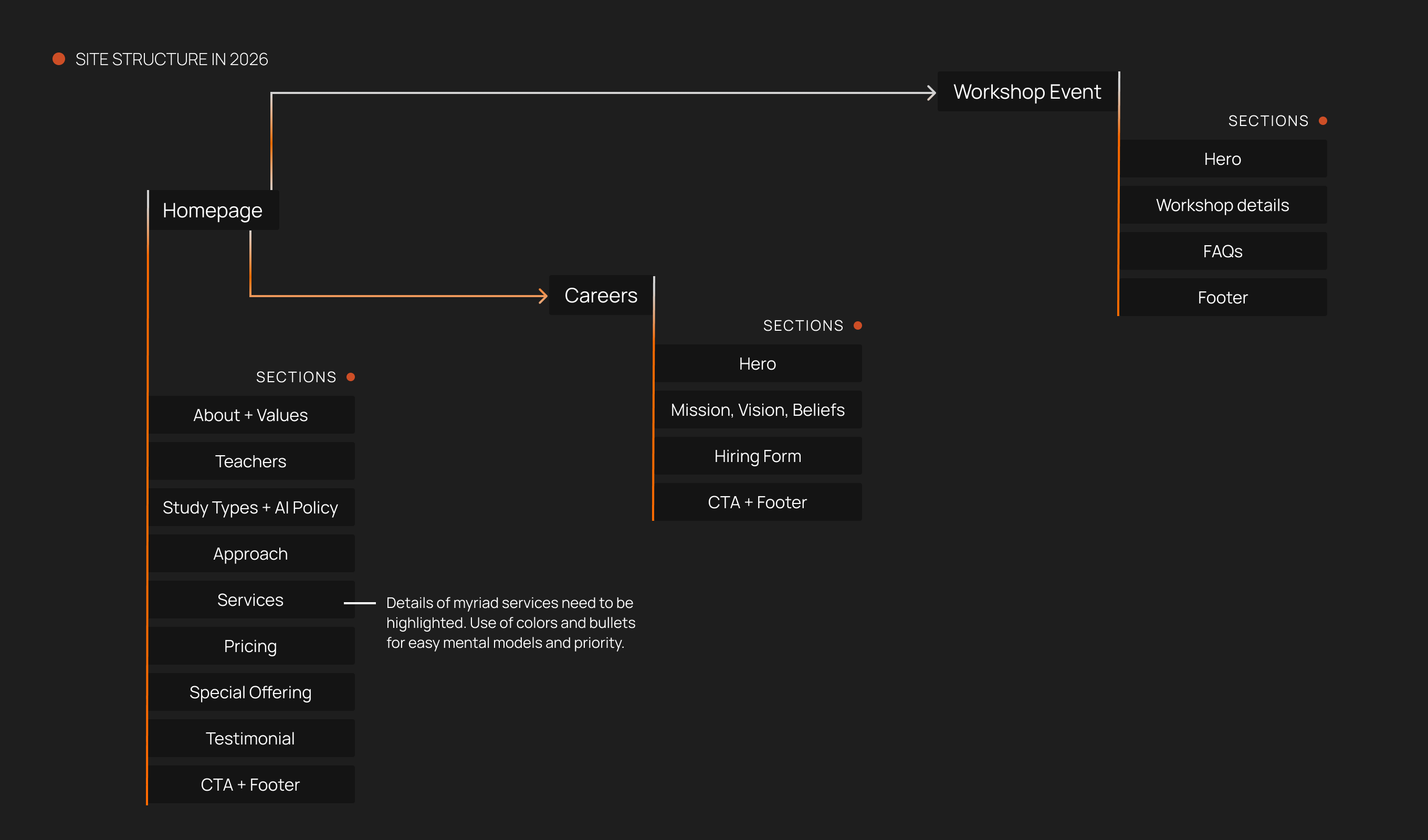
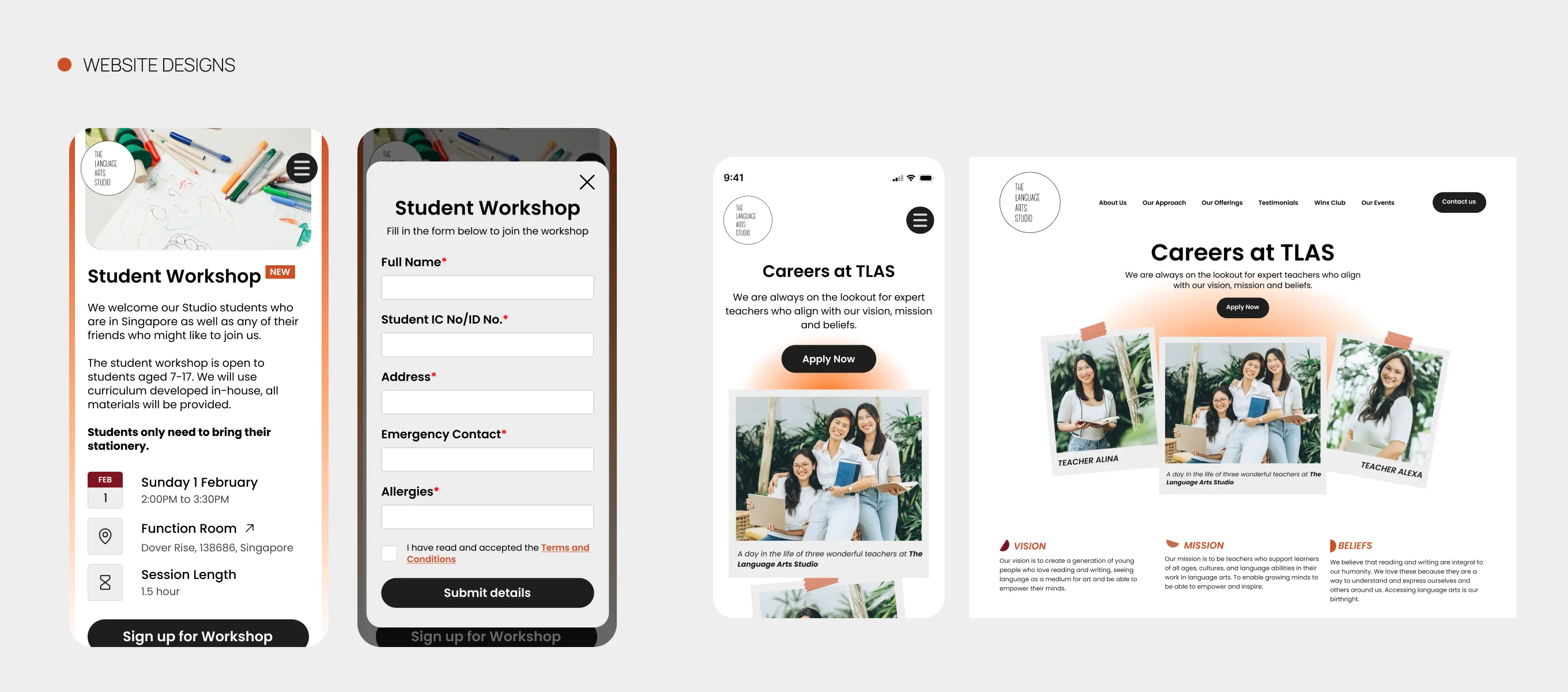
From there, two team members handled the brand identity and collateral production, while I helped the client learn to navigate and use their new Canva social templates. Once the brand project wrapped and the client was happy with the direction, we moved into the website design phase, which I led from start to finish. Across roughly 5 to 8 projects, this two-tier structure gave us the results and process needed before considering it for enterprise-level clients.